Valuation Techniques in Promotional Reward Systems: From Retail Price to Perceived Worth
Written by Amir Walter · Aug 6, 2026
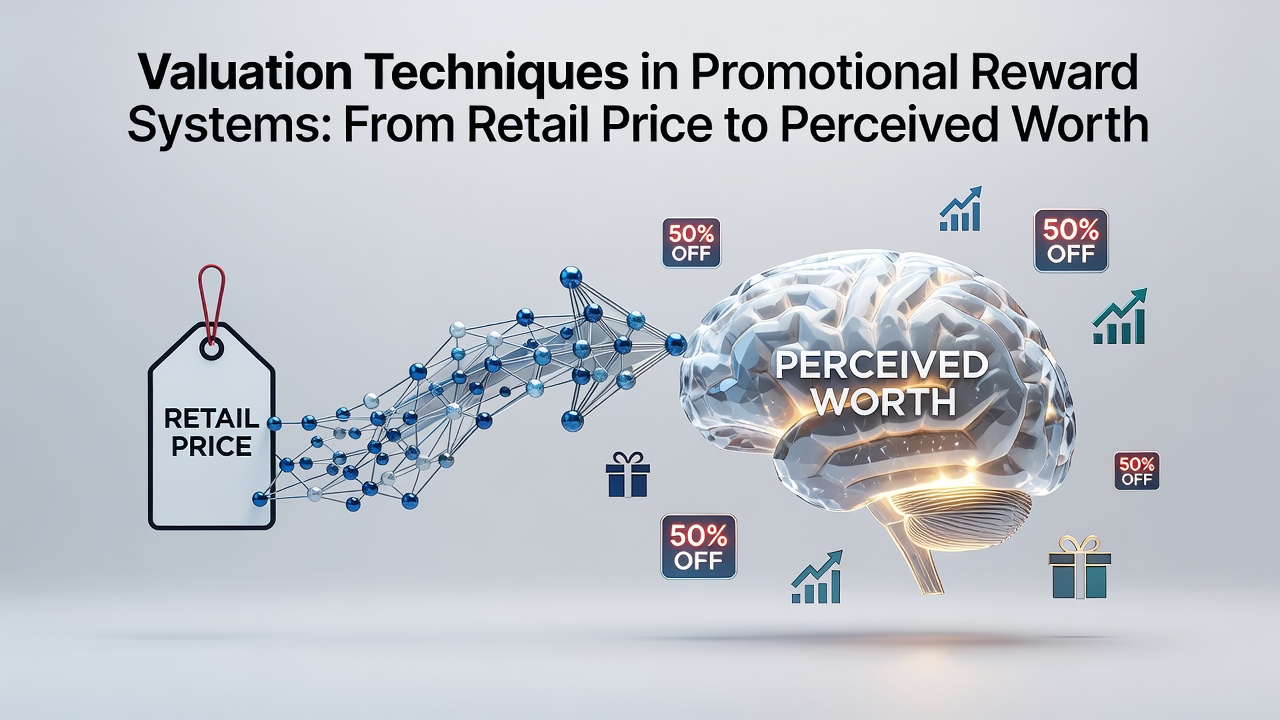
Valuation Techniques in Promotional Reward Systems: From Retail Price to Perceived Worth
Promotional reward systems rely on structured approaches that convert tangible costs into measurable participant benefits, and these methods have evolved from straightforward retail calculations to more layered assessments of subjective value. Data from industry reports indicate that companies track both the listed manufacturer price and the adjusted figures after discounts, taxes, and distribution fees when assigning worth to items such as gift cards, merchandise, or service credits. Researchers at several universities have documented how organizations apply cost-plus formulas that add fixed margins to production expenses, while market-comparison models pull benchmark prices from competitor listings and auction results to establish baseline figures.
Core Calculation Approaches
Standard retail price valuation begins with the manufacturer's suggested retail price, yet adjustments follow once regional pricing variations, seasonal promotions, and bulk purchase discounts enter the equation. Observers note that firms frequently subtract average markdown percentages reported by retail chains, then factor in shipping and handling averages compiled from logistics databases. In parallel, replacement cost methods estimate the current expense of acquiring identical goods from wholesale suppliers, which proves useful when inventory ages or product lines discontinue. Those who analyze large datasets from loyalty platforms find that redemption values often sit 15 to 30 percent below original retail levels once these corrections apply.
Transition Toward Perceived Worth Models
Perceived worth frameworks incorporate psychological pricing data and consumer survey responses that reveal how participants assign importance beyond sticker prices. Conjoint analysis studies, conducted across multiple markets, demonstrate that users weigh factors such as brand prestige, scarcity signals, and convenience of redemption when rating an item's appeal. Evidence from behavioral research shows that points-based systems gain higher engagement when participants believe the rewards exceed their effort investment, even if the underlying retail cost remains modest. Analysts examining transaction logs observe that reward catalogs updated in real time maintain higher participation rates compared with static listings that retain outdated retail figures.
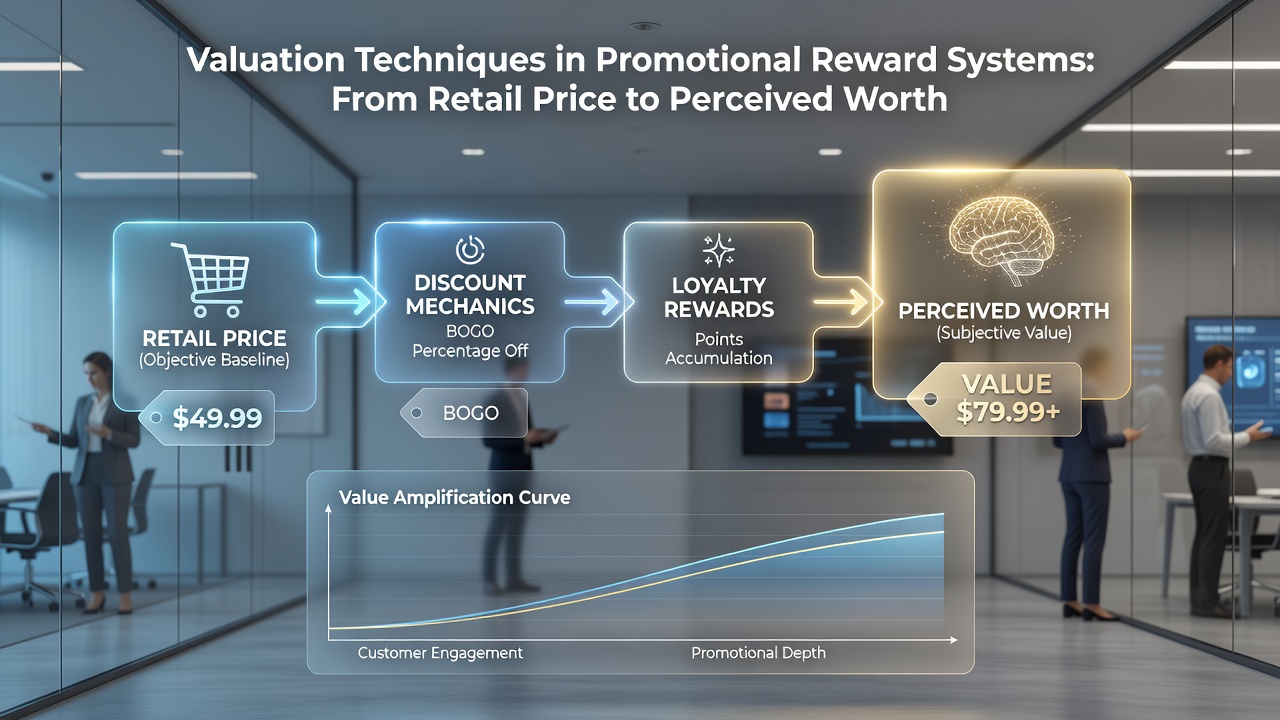
Data Integration and Regional Adjustments
Modern platforms combine internal sales records with external pricing feeds from multiple countries to refine valuations on a continuous basis. In August 2026 several jurisdictions introduced updated disclosure rules requiring clearer separation between retail cost and participant-assigned value in digital reward communications. Canadian and Australian regulatory summaries indicate that such transparency measures aim to align advertised figures with actual redemption economics. Researchers tracking cross-border programs report that currency fluctuation buffers and local tax treatments further modify final worth calculations, while time-limited offers create urgency that elevates perceived value without changing the underlying retail benchmark.
Measurement Tools in Practice
Survey instruments and A/B testing protocols allow program operators to quantify how different framing tactics alter participant estimates of worth. One documented approach involves presenting identical rewards with varied descriptors, such as "retail equivalent" versus "exclusive access," then measuring click-through and redemption differentials. Academic papers published by European business schools highlight that scarcity language and social proof elements produce measurable lifts in perceived value, independent of any change in actual cost. Data synchronization across mobile apps and web portals ensures that valuation updates reach users before they finalize selections, reducing mismatches between expected and delivered benefit levels.
Conclusion
Valuation techniques in promotional reward systems continue to blend objective retail metrics with subjective perception data, supported by ongoing regulatory developments and cross-market research. Organizations that integrate both dimensions maintain clearer alignment between program economics and user expectations across diverse geographic regions.