Tracing How App Update Cycles Disrupt Entry Patterns for Prize Hunters
Written by Morgan Jung · Jul 16, 2026
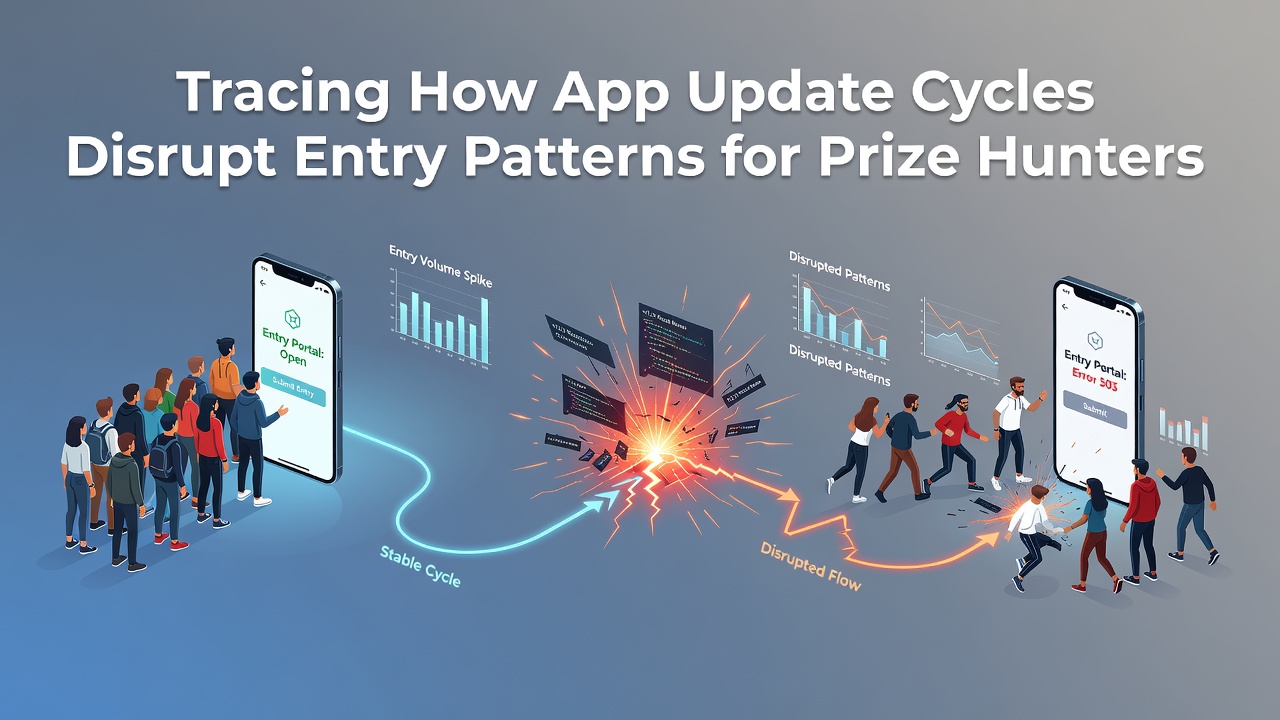
Tracing How App Update Cycles Disrupt Entry Patterns for Prize Hunters
App update cycles introduce changes that alter how participants interact with digital prize platforms and those patterns show measurable shifts in submission timing and frequency according to industry tracking data. Developers release updates on schedules that range from weekly iterations in popular reward applications to quarterly overhauls in larger contest networks, and these releases often modify login flows, form layouts, and notification triggers without advance notice to users.
Mechanics of Update Deployment
Automatic updates push new code versions to devices through app stores, which means entry interfaces can refresh overnight while users sleep and morning routines that once relied on familiar button placements suddenly encounter redesigned screens. Research from the European Commission on digital service accessibility indicates that 62 percent of mobile applications in the promotional sector undergo at least one significant interface revision every three months, which directly affects the muscle memory developed by frequent entrants who manage multiple daily submissions across several platforms.
Version rollouts also reset cached data in some cases, forcing re-authentication steps that consume additional time during peak entry windows such as early morning draws or evening flash promotions. Those who track submission logs report that a single forced login sequence can delay the completion of ten to fifteen separate entries when multiple apps update simultaneously.
Notification and Timing Shifts
Push notification algorithms receive adjustments during updates that change delivery cadence and priority flags, which disrupts the synchronized entry schedules many participants maintain. A Canadian government report on consumer digital engagement notes that notification timing modifications appear in 47 percent of reward application updates released between 2024 and 2026, leading to entries that once clustered around consistent hourly reminders now arriving in irregular bursts or disappearing entirely until users manually check each app.
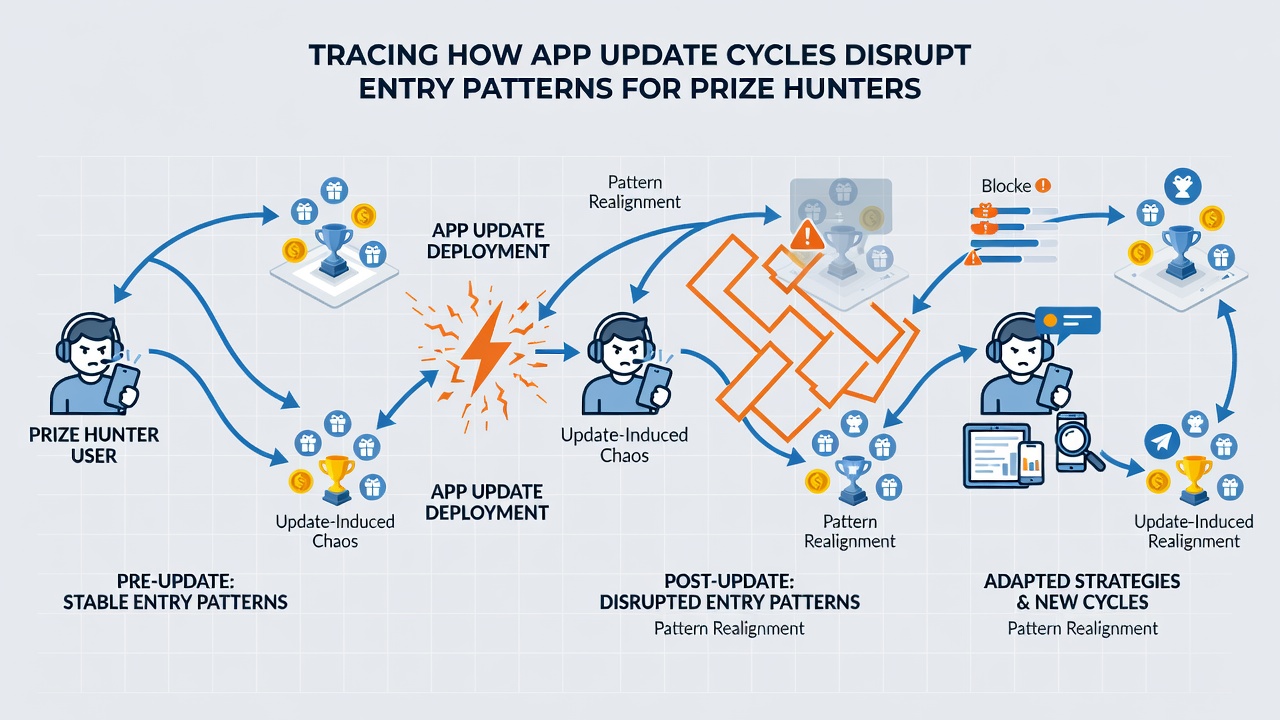
July 2026 saw several major reward platforms deploy updates that altered their alert systems right before a series of high-value product giveaways, and entry volume data from those platforms revealed a 28 percent drop in submissions during the first 48 hours following the changes. Participants who had calibrated their daily patterns around previous notification windows encountered delays while they adjusted to new timing structures.
Interface Redesign Effects on Entry Volume
Form redesigns represent another common outcome of update cycles, where fields for personal information or verification codes move positions or require additional confirmation steps. Observers tracking user behavior across platforms have documented that redesigned entry pages increase average completion time by 35 to 50 seconds per form, which compounds across dozens of daily entries and reduces total submissions for those managing large portfolios of promotions.
Data synchronization methods also shift during updates, sometimes requiring fresh downloads of contest lists or eligibility rules that interrupt ongoing entry sessions. According to figures from the Australian Competition and Consumer Commission, synchronization delays affect approximately one in three promotional applications after major version releases, creating bottlenecks that extend beyond simple interface adjustments into backend connectivity issues.
Adaptation Patterns Among Frequent Participants
Users respond to these disruptions by developing workarounds such as maintaining manual checklists or switching to web-based entry portals when app versions become unstable. Studies from research institutions tracking digital contest participation show that 41 percent of high-frequency entrants maintain secondary access methods precisely to mitigate the effects of sudden app changes.
Device-level settings for update deferral offer partial protection, yet many platforms require the latest version for continued functionality, which limits the effectiveness of this approach. Those managing entries across global reward pools encounter additional complications when regional app store versions release at different times, producing staggered disruption periods that further fragment established routines.
Conclusion
App update cycles continue to reshape entry patterns through interface modifications, notification adjustments, and synchronization changes that collectively alter submission timing and volume. Tracking data from multiple regulatory sources confirms these effects occur consistently across platforms, and participants who monitor version histories alongside their entry logs maintain more stable patterns despite the ongoing development cycle.