Regulatory Shifts and Their Effects on Cross-Border Access to Promotional Reward Systems
Written by Klara Zimmermann · May 28, 2026
Regulatory Shifts and Their Effects on Cross-Border Access to Promotional Reward Systems
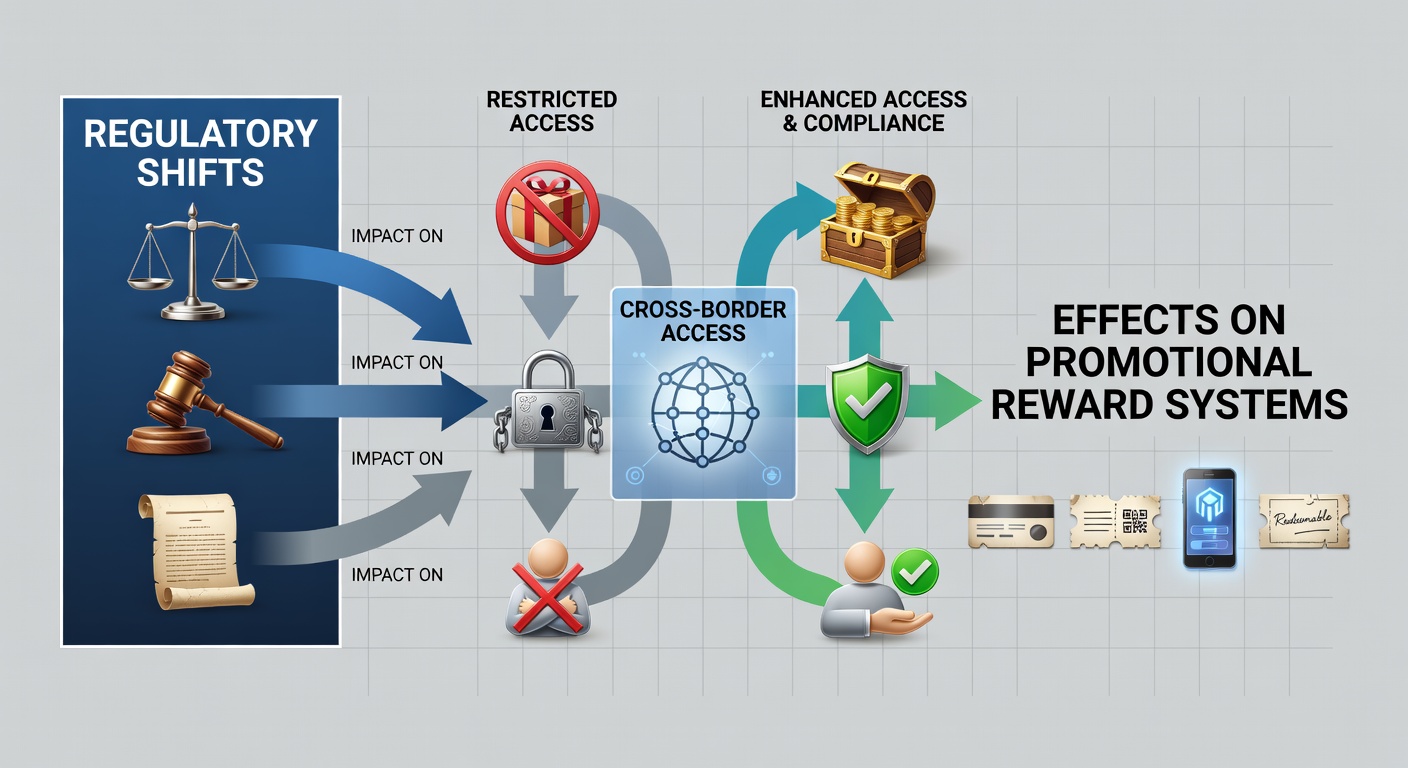
Regulatory frameworks governing promotional reward systems have undergone notable adjustments in recent years, with direct consequences for how participants access contests and giveaways across national borders. These systems, which often include sweepstakes, prize draws, and loyalty-based rewards, rely on clear eligibility rules that now face increased scrutiny from data protection authorities and consumer protection agencies alike. Observers note that changes in privacy standards and eligibility verification processes have altered participation patterns, particularly when promotions originate in one jurisdiction while drawing entrants from multiple others.
Key Regulatory Developments Across Regions
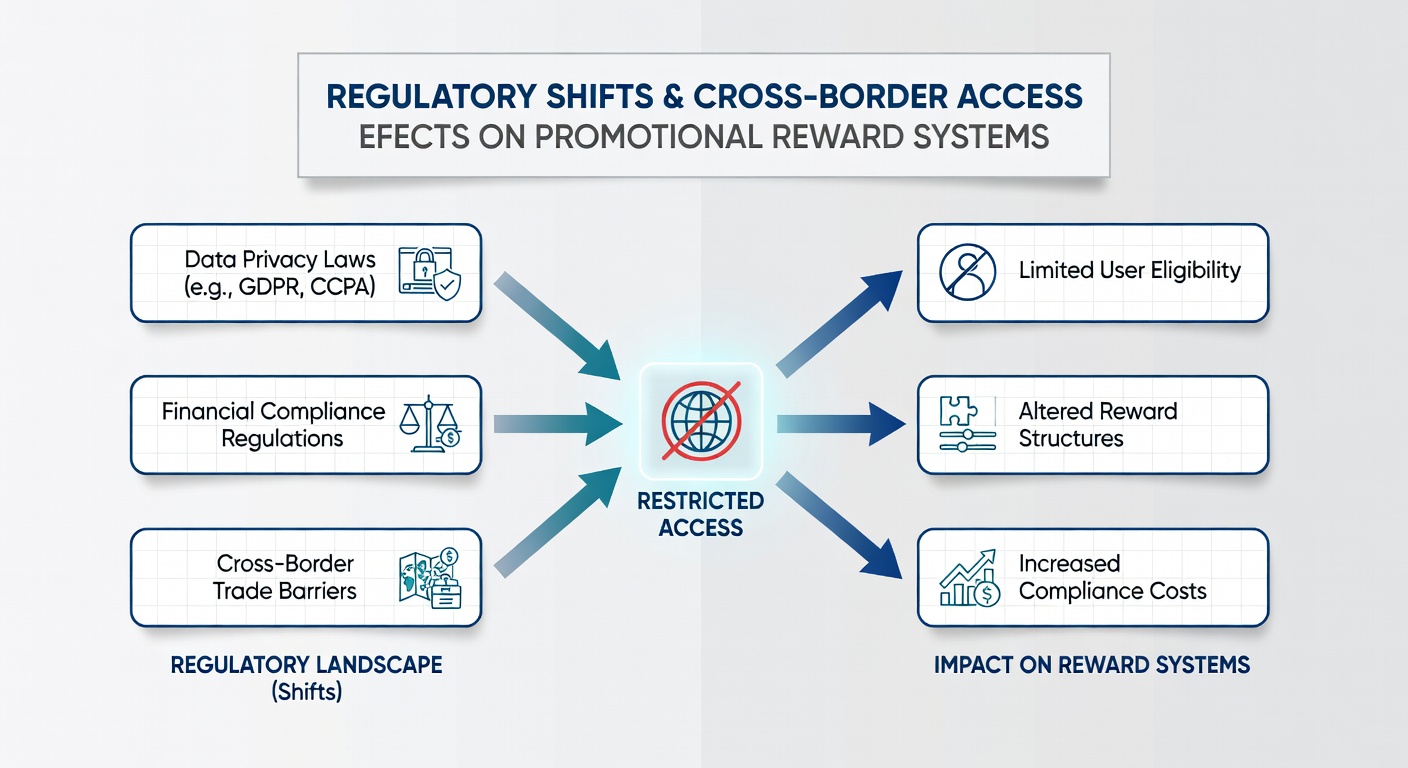
Data protection rules in the European Union have tightened requirements around consent and cross-border data flows, forcing operators to implement new verification steps for entrants located outside the bloc. Similar patterns appear in Canada where provincial and federal guidelines emphasize clear disclosure of prize terms alongside restrictions on automated entry methods that might otherwise bypass location checks. In Australia the Australian Competition and Consumer Commission has issued updated guidance on promotional advertising that includes specific language around geographic eligibility, prompting many platforms to segment their offerings by country of residence. These shifts coincide with broader efforts to align consumer protection standards, yet the practical outcome remains fragmented access rather than uniform rules.
Research indicates that operators have responded by deploying geo-fencing technologies and IP-based filtering to comply with varying statutes. Figures from industry reports show a measurable decline in international entries for certain North American promotions since stricter verification protocols took effect, while some European-based reward programs now require additional documentation before processing prizes awarded to non-residents. The result has been a patchwork of access points where users in one country can enter freely and those elsewhere encounter barriers or modified prize pools.
Effects on Participant Behavior and Platform Operations
Participants have adapted by concentrating entries within domestic promotions or using compliant regional platforms that aggregate localized offers. Data shows increased traffic to services that pre-screen contests for eligibility, reducing wasted time on promotions that ultimately exclude foreign entrants. Platform operators meanwhile have invested in modular entry systems capable of displaying different rulesets based on detected location, a change that adds complexity to backend management but satisfies multiple regulatory demands simultaneously.
One study revealed that cross-border reward programs experienced slower growth in markets with overlapping data residency requirements, whereas those limiting participation to single jurisdictions reported steadier engagement metrics. The adjustments have also influenced prize structures, with some sponsors opting for region-specific rewards rather than universal cash or product distributions that trigger additional tax and reporting obligations. Observers note that these operational changes emerged gradually, accelerating around mid-2025 as enforcement actions became more visible in public records.
Anticipated Changes Around May 2026
Additional updates scheduled for implementation in May 2026 are expected to further refine cross-border verification standards in several jurisdictions. Proposed amendments in data transfer agreements may require explicit opt-in mechanisms for entrants whose information crosses into regions with differing privacy levels. Regulatory bodies in multiple countries have signaled intent to harmonize certain disclosure requirements, though full alignment remains unlikely given differing legal traditions. Those monitoring these developments point to potential increases in compliance costs for smaller operators, which could consolidate the market toward larger platforms equipped with sophisticated location and consent management tools.
Evidence from pilot programs already underway suggests that streamlined entry interfaces can maintain participation volumes when paired with transparent eligibility statements. At the same time, some academic analyses of similar past transitions indicate that overly restrictive filtering tends to reduce overall diversity among entrants without necessarily improving compliance outcomes. The period leading into May 2026 therefore represents a transitional window during which platforms and participants alike will test new configurations.
Conclusion
Regulatory evolution continues to reshape access pathways for promotional reward systems that span multiple countries. Current patterns demonstrate that location-based restrictions, enhanced verification, and segmented prize offerings have become standard responses to compliance demands. As further adjustments approach in 2026, the landscape will likely feature continued experimentation with technical solutions alongside ongoing evaluation of their effects on entry volumes and participant distribution across regions.