Profile Interconnections: How Linked Accounts Alter Eligibility in Multi-Platform Reward Ecosystems
Written by Amir Walter · Aug 20, 2026
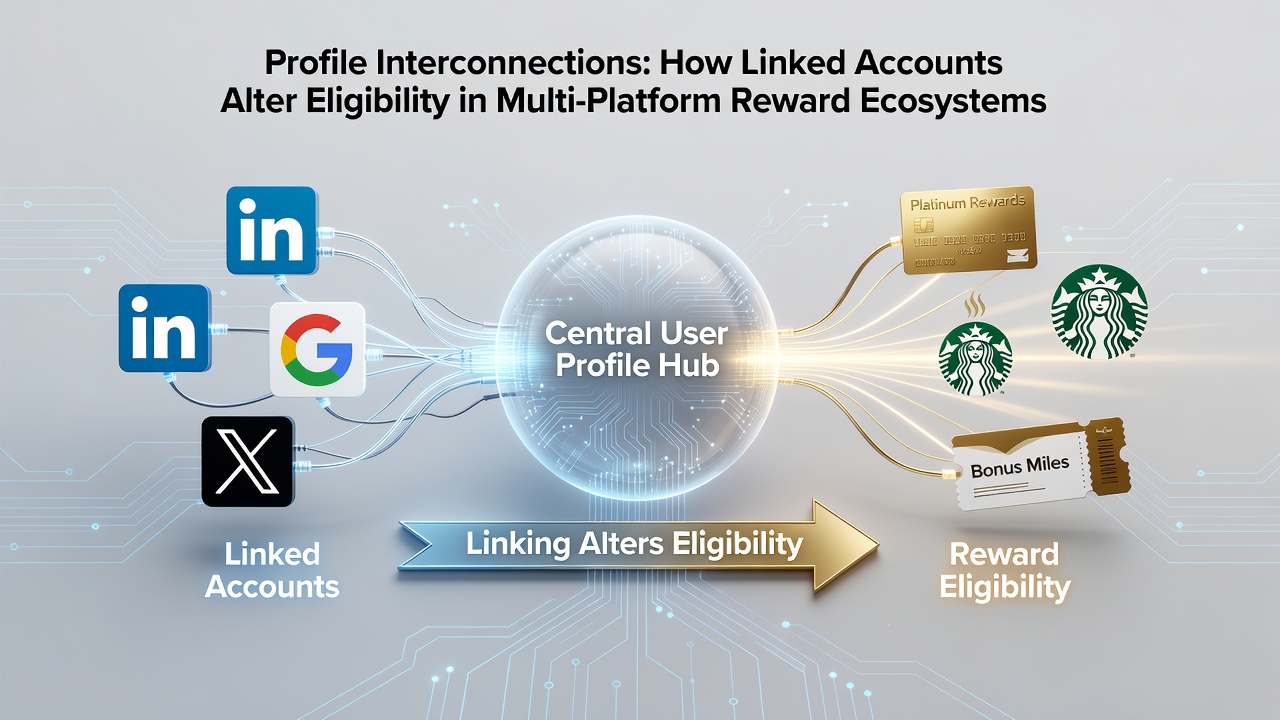
Profile Interconnections: How Linked Accounts Alter Eligibility in Multi-Platform Reward Ecosystems
Linked accounts across reward platforms create direct pathways that reshape eligibility determinations in ways many participants overlook until they encounter denied entries or forfeited prizes; these connections often stem from shared email addresses, phone numbers, device identifiers, and social logins that synchronize data between services without explicit user awareness each time.
Mechanics of Account Linkage in Reward Systems
Multi-platform ecosystems rely on cross-referencing techniques to enforce one-entry-per-person rules, and data shows that platforms integrate OAuth protocols alongside backend matching algorithms that flag duplicates through overlapping profile elements such as IP ranges and payment details when applicable. Researchers note that these systems expanded notably after 2023 when major providers began sharing anonymized fraud databases, which means an account tied to a social media profile on one site can automatically influence verification status on another.
Eligibility checks intensify when users connect loyalty programs to external services like streaming apps or e-commerce accounts, because the merged data pools allow operators to detect coordinated activity across household members who share the same billing address or device. Studies from academic institutions indicate that such interconnections reduce duplicate claims by up to 40 percent in high-volume campaigns, yet they also generate edge cases where legitimate separate users face blocks due to shared network infrastructure like public Wi-Fi or family plans.
Eligibility Shifts Triggered by Cross-Platform Data
Observers tracking reward distributions report that linking a primary account to secondary profiles frequently triggers re-evaluation of entry validity, especially when geographic restrictions apply, since location data pulled from connected mobile apps can override manual zip code submissions. In August 2026, updates to consumer protection guidelines from the Australian Competition and Consumer Commission highlighted how synchronized profiles now require clearer disclosure of these cross-checks to avoid misleading participants about their qualification status.
Those who maintain separate profiles across platforms sometimes discover that automatic friend suggestions or shared contact lists create indirect linkages, and this has led to eligibility flags in campaigns that prohibit household aggregation. Evidence from industry reports suggests the practice affects roughly one in six active participants in global reward pools, where an entry accepted on one platform later gets voided after a linked profile triggers a secondary review.
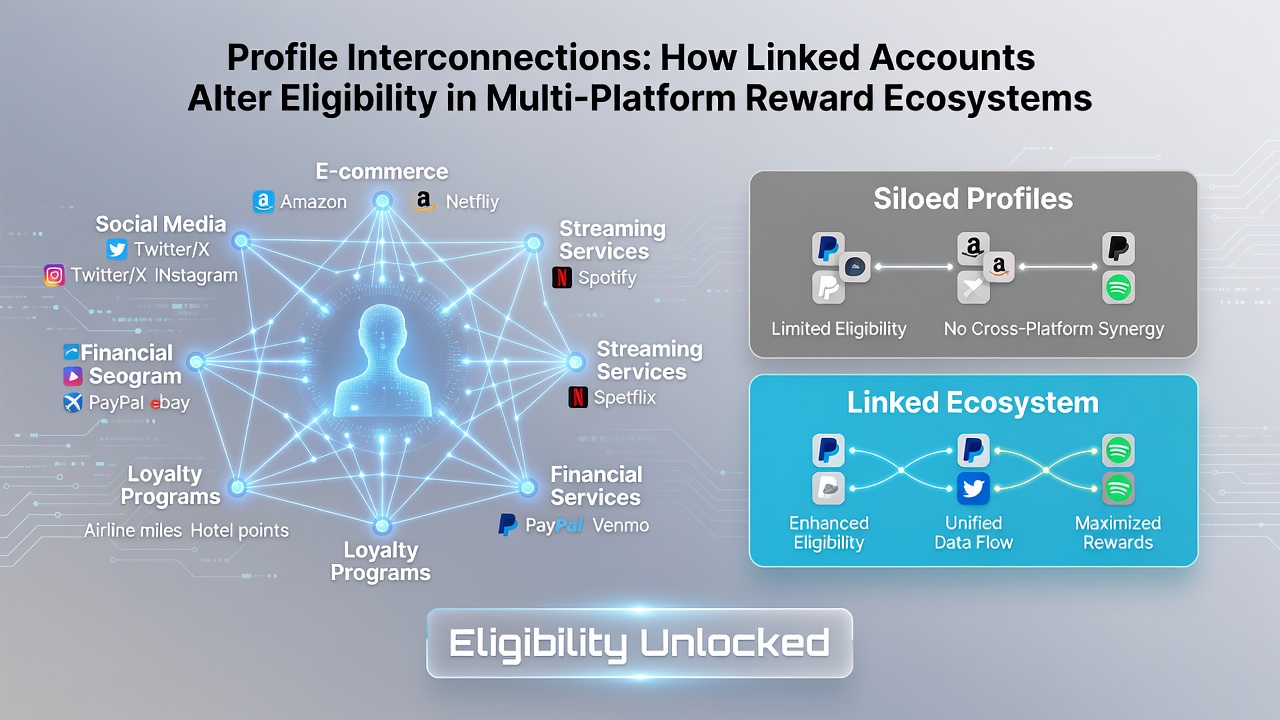
Regulatory and Technical Responses to Linked Profiles
Government agencies in multiple regions have begun addressing these dynamics through updated disclosure requirements, while the Federal Trade Commission in the United States continues to monitor how data sharing influences fair access to promotional rewards. Platforms respond by implementing tiered verification that requests additional proof when interconnections appear, such as separate device registration or email confirmation steps that break the chain of automatic associations.
Technical teams at reward operators have introduced consent layers that let users review and sever specific linkages, although adoption rates remain low according to usage metrics released by several major providers. This approach helps maintain compliance with data protection standards while preserving the integrity of entry limits that prevent any single individual or coordinated group from dominating prize allocations.
Observed Patterns in Multi-Account Environments
Analysis of submission logs reveals that participants who link professional networking profiles to consumer reward apps encounter stricter scrutiny during peak campaign periods, because cross-referenced employment data can signal potential commercial intent that violates consumer-only rules in many promotions. Data synchronization methods now include real-time API calls between services, which means an update on one platform propagates to others within minutes rather than days.
Case examples documented by researchers at European universities show households where one member's activity inadvertently restricts another's eligibility after shared payment methods surface during fraud screening. These patterns persist even when accounts appear isolated on the surface, since underlying telemetry from operating systems often feeds into the same matching engines used by reward networks.
Conclusion
Profile interconnections continue to redefine how eligibility operates within interconnected reward ecosystems, with technical linkages and regulatory oversight evolving in tandem to balance fraud prevention against participant access. Data released through industry channels in 2026 underscores the ongoing refinement of these systems as operators adapt to both technological capabilities and legal expectations across regions.