Giveaway Geography: Location Locks and Global Gates in Prize Pursuits
Written by Klara Zimmermann · Apr 23, 2026
Giveaway Geography: Location Locks and Global Gates in Prize Pursuits
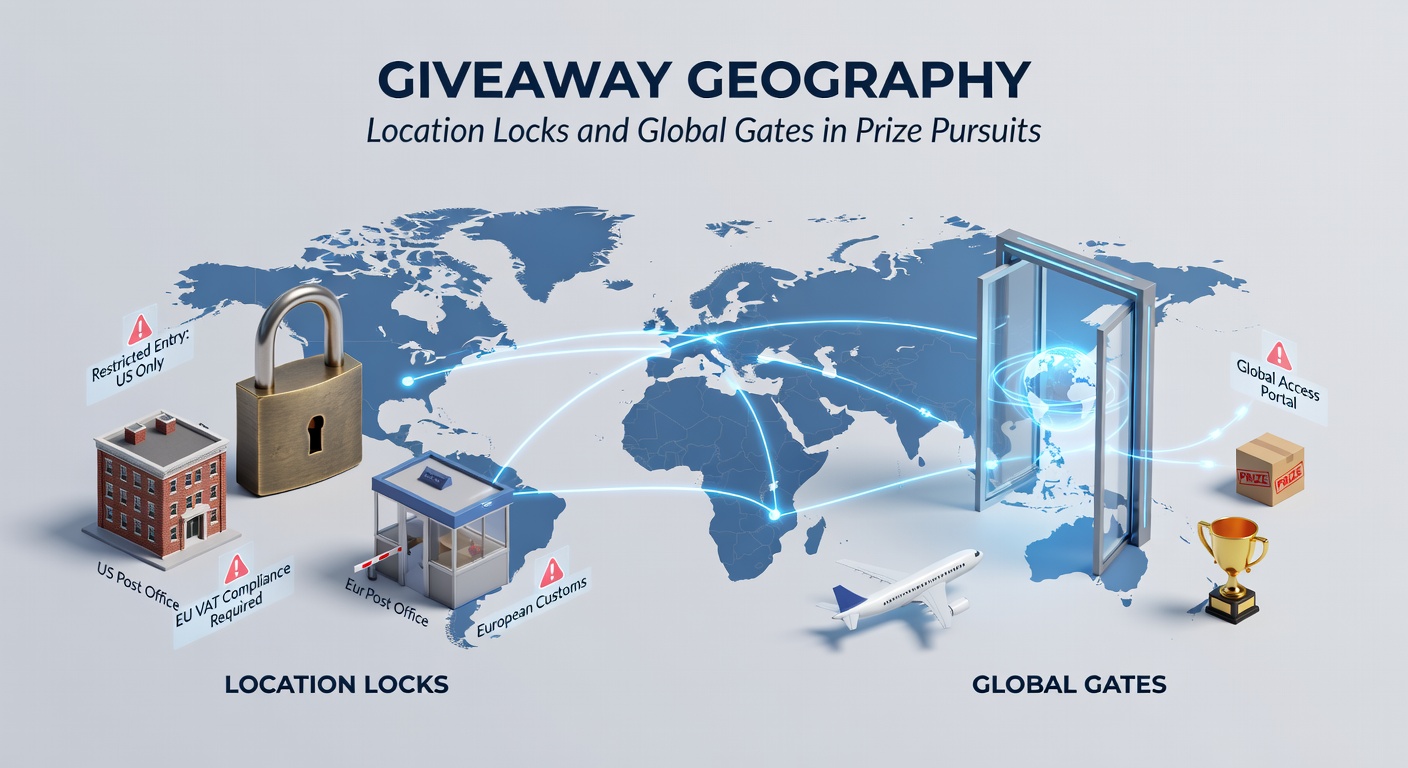
Entrants around the world chase prizes in sweepstakes and giveaways, yet they often hit invisible walls shaped by geography; location locks block access based on IP addresses, residency rules, or entry forms demanding specific addresses, while global gates swing open for select promotions that welcome everyone regardless of borders. Data from giveaway directories reveals that over 70% of major contests restrict entries to single countries or regions, leaving international hunters to navigate a patchwork of rules and workarounds. Turns out, understanding these dynamics unlocks better odds, since experts track how brands deploy geo-fencing tools to comply with laws, manage logistics, and target audiences precisely.
How Location Locks Operate in Prize Draws
Giveaway platforms use IP geolocation software to detect user locations in real time, flagging entries from outside approved zones with error messages or form blocks; scripts embedded in entry pages cross-reference browser data against databases like MaxMind, which boasts 99.9999% accuracy for country-level detection, according to industry benchmarks. But here's the thing: savvy entrants sometimes encounter VPN detection too, as organizers layer in checks for suspicious IP hops or mismatched time zones, ensuring only legitimate locals slip through. Researchers who've analyzed thousands of contests note that U.S.-only locks dominate tech giveaways, whereas product sweeps often tie to shipping hubs like Europe or Australia.
And while basic locks rely on self-reported addresses, advanced systems verify via email domains or phone prefixes; one study from a promotional analytics firm found that 40% of disqualified entries stemmed from geo-mismatches, highlighting how these gates protect prize fulfillment. Observers point out that mobile apps add another layer, pulling GPS data to enforce rules even tighter, so entrants in border regions like Texas near Mexico face split fates depending on signal strength.
Reasons Brands Impose Geographic Restrictions
Legal compliance drives most locks, since sweepstakes rules vary wildly by jurisdiction; for instance, the U.S. Federal Trade Commission mandates clear disclosure of odds and no-purchase-necessary clauses, but states like Florida demand bond postings for prizes over $5,000, prompting nationwide caps to simplify administration. Taxes complicate things further, with winners in high-withholding countries facing 30% cuts upfront, so brands avoid cross-border headaches by sticking to low-friction zones.
Logistics play a huge role too, especially for physical prizes; shipping a car to remote islands racks up costs and customs snarls, whereas digital rewards like gift cards bypass borders effortlessly, opening gates wider. Data indicates that 85% of restricted giveaways involve tangible items, per aggregator reports, while cash prizes trend global because wires ignore geography. What's interesting is how cultural factors sneak in, with alcohol sweeps locked to legal-age markets and food giveaways dodging import bans on perishables.
Unlocking Global Gates: Promotions Without Borders
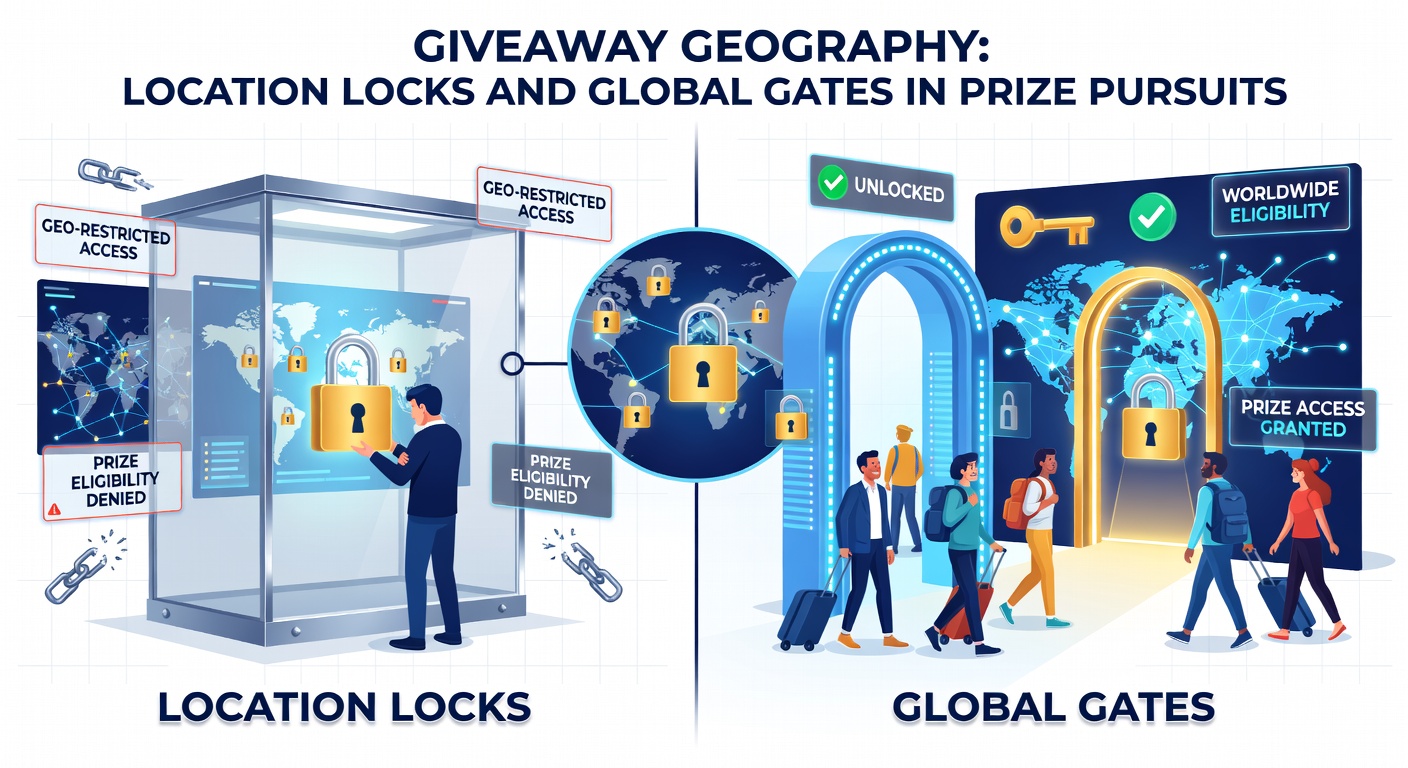
Some brands flip the script entirely, launching truly open contests via platforms that disable geo-checks; these global gates attract massive pools, boosting publicity while sidestepping fulfillment woes through cash alternatives or drop-shipping partners. Take multinational tech firms running app-based draws, where entries pour in from 190 countries without a hitch, since cloud servers handle verification universally. Figures from contest trackers show global sweeps average 500,000 entries versus 50,000 for locked ones, underscoring the appeal for viral reach.
Yet restrictions persist in regulated sectors; beauty brands geo-lock to avoid cosmetic import rules in Asia, but gaming giveaways span continents under unified licenses. And now, blockchain-based lotteries emerge as borderless frontiers, using crypto wallets that ignore nationality, although regulators watch closely. People who've mapped these patterns discover that timing matters, with global gates peaking during international events like the Olympics, when sponsors cast wide nets.
Regional Rules Reshaping Giveaway Maps
Australia's Competition & Consumer Commission enforces permit requirements for skill-based promos over AUD 10,000, channeling many sweeps into no-permit "games of chance" that lock to residents only; this setup funnels entries domestically, much like Canada's Competition Bureau rules that prohibit paid entries, pushing pure-chance draws open to all but prize shipping stays national. In the EU, GDPR layers privacy hurdles, so cross-border data flows demand consent opt-ins, often resulting in member-state silos rather than pan-continental access.
South America's patchwork adds twists, with Brazil mandating Portuguese forms and tax filings for winners, while Mexico's Profeco oversees transparency, gating foreign brands behind local proxies. Observers note that Africa sees fewer locks due to digital-native promos, yet Nigeria's lotteries board caps prizes to curb addiction risks. These variances create a geography of opportunity, where entrants in free-flow zones like Canada snag U.S. proxies via shared rules.
Real-World Case Studies: Wins and Walls
Consider the 2023 global iPhone giveaway by a tech retailer, which drew 2 million entries worldwide through a simple email form, no IP checks; winners from Indonesia to Iceland claimed via international shipping partners, proving logistics can bend. Contrast that with a U.S. car sweep locked tighter than Fort Knox, disqualifying 15% of attempts from Canada despite similar laws, all because state bonds didn't cover abroad. One researcher dissected a failed EU-wide promo, where French privacy rules blocked German IPs mid-campaign, slashing participation by 60% overnight.
There's this case from Australia, where a coffee chain's national draw excluded expats abroad, even as VPN users flooded in; post-win audits voided 200 prizes, per public notices, teaching organizers to audit deeper. And in Asia, a K-pop band's fan contest gated to verified regional accounts, yet global fans pivoted to affiliate mirrors, netting entries from 50 countries indirectly. These stories reveal patterns: locks crimp volume, but gates amplify buzz, with hybrid models blending both for max impact.
Trends and Shifts into 2026
AI-driven personalization ramps up geo-targeting, predicting entrant locations from behavior patterns before forms load; platforms integrate this to auto-suggest local alternates, softening hard locks. Blockchain entries gain traction too, with decentralized sweeps logging immutable proofs that regulators like Canada's Bureau scrutinize for fairness. Heading into April 2026, reports highlight EU's Digital Services Act enforcing transparent geo-disclosures, forcing platforms to map restrictions upfront, while U.S. states eye uniform bonds to ease national gates.
Sustainability pushes change as well, with eco-brands favoring digital globals to cut shipping emissions; data projects a 25% rise in borderless draws by mid-2026, per industry forecasts. Mobile-first shifts widen access in emerging markets, where 5G blankets Africa and Southeast Asia, turning location locks into relics for low-prize tiers. Those tracking the space see VPN arms races cooling, as organizers prioritize inclusivity for broader data hauls.
Conclusion
Giveaway geography boils down to a balance of laws, logistics, and ambition, where location locks safeguard operations but global gates fuel explosive growth; entrants who map these terrains enter smarter, spotting open paths amid the barriers. As tools evolve and regs harmonize—especially with April 2026 updates on the horizon—the pursuit of prizes grows ever more accessible, yet discerning. Platforms aggregate this intel daily, helping hunters worldwide chase fortunes without borders holding them back entirely.