From Form to Fortune: Decoding Entry Rules in Prize Drawings
Written by Amir Walter · Apr 16, 2026
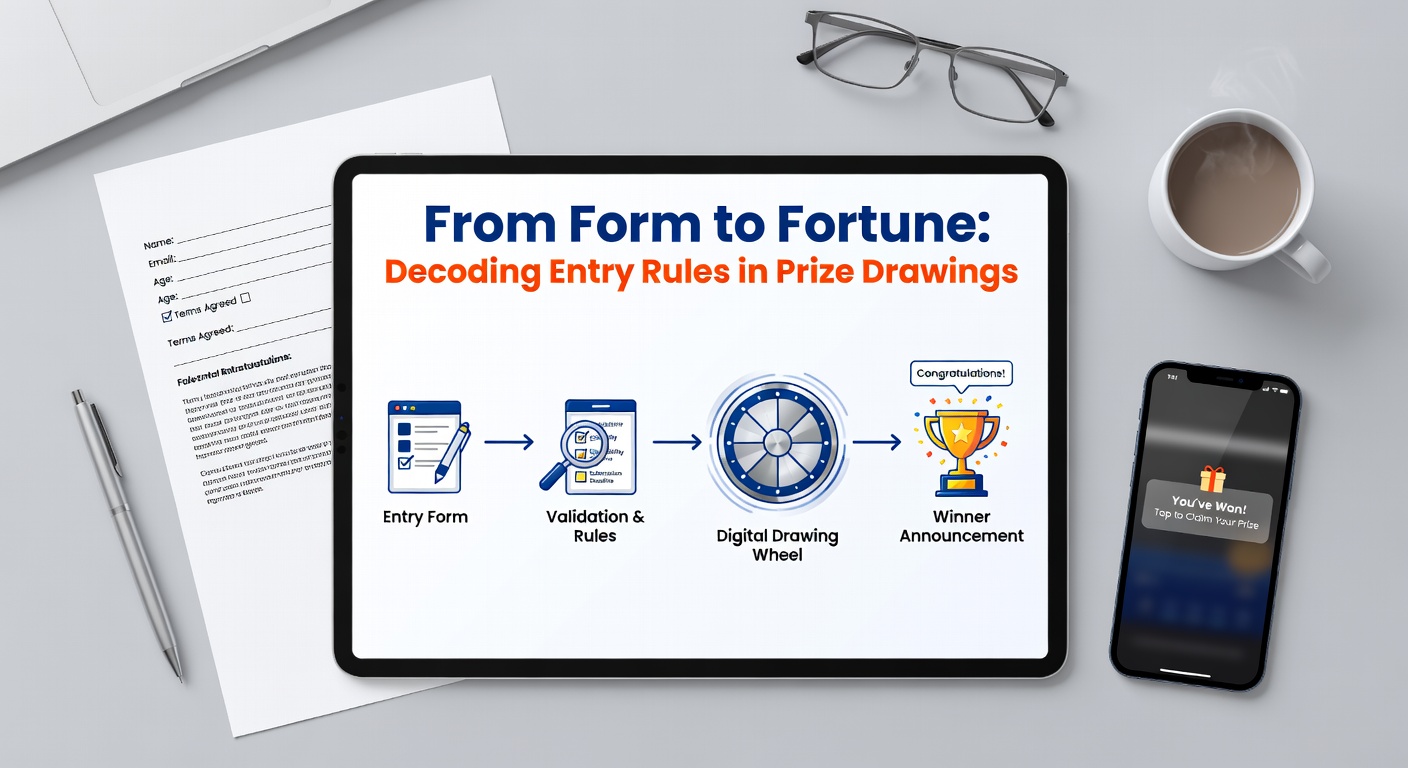
From Form to Fortune: Decoding Entry Rules in Prize Drawings
Prize drawings pop up everywhere these days, from social media feeds to supermarket flyers, offering chances at cash, gadgets, trips, or even cars; yet those glossy ads often bury the real game-changer deep in fine print, where entry rules spell out exactly who qualifies, how to enter, and what happens next. Observers note that savvy entrants treat these rules like a roadmap, scanning every clause before hitting submit, since missing one detail can disqualify an otherwise perfect entry. Data from industry reports shows thousands forfeit prizes yearly simply because they overlooked residency restrictions or daily limits, turning potential windfalls into missed opportunities.
Unpacking the Official Rules: The Foundation of Every Drawing
Every legitimate prize drawing comes with official rules, typically linked at the bottom of entry forms or promotion pages; sponsors must provide these under consumer protection laws in places like the US and Canada, where the Federal Trade Commission mandates clear disclosures to avoid deceptive practices. These documents outline everything from the prize pool to selection methods, often spanning several pages packed with legalese, but experts advise breaking them down into key sections: sponsor details, drawing period, prizes, and entry instructions. What's interesting is how rules evolve with digital trends; for instance, many now specify app-based entries or NFT verification, reflecting shifts toward tech-savvy promotions.
And here's where it gets practical: people who've mastered this start by noting the sponsor's address and contact info, verifying legitimacy since scammers mimic real drawings but skip verifiable rules. Turns out, rules also reveal odds of winning, calculated as total entries divided by prizes available, a figure regulators in Australia require via the Australian Competition & Consumer Commission to ensure transparency in trade promotions.
Eligibility Criteria: Who Gets In and Who Stays Out
Eligibility tops the list of must-reads, defining age minimums (usually 18 or 19, varying by region), residency requirements like "US residents only" or "void where prohibited," and exclusions for employees, affiliates, or household members of sponsors. Researchers examining thousands of rules found that about 40% impose geographic limits, such as excluding certain states due to local gambling laws, while international drawings might restrict entries from high-risk countries to comply with anti-money laundering regs. One study revealed entrants from Alaska or Hawaii often miss out on national US drawings because sponsors note "lower 48 states only" in the fine print.
But it's not just location; family ties matter too, since rules frequently bar immediate relatives of judges or sponsors to prevent insider advantages. Observers point out that military personnel or students sometimes qualify for bonus categories, yet failing to check these upfront leads to instant disqualification upon selection. So entrants double-check their status against every bullet point, ensuring no overlooked void clauses derail their shot.
Mastering Entry Methods: From Clicks to Snail Mail
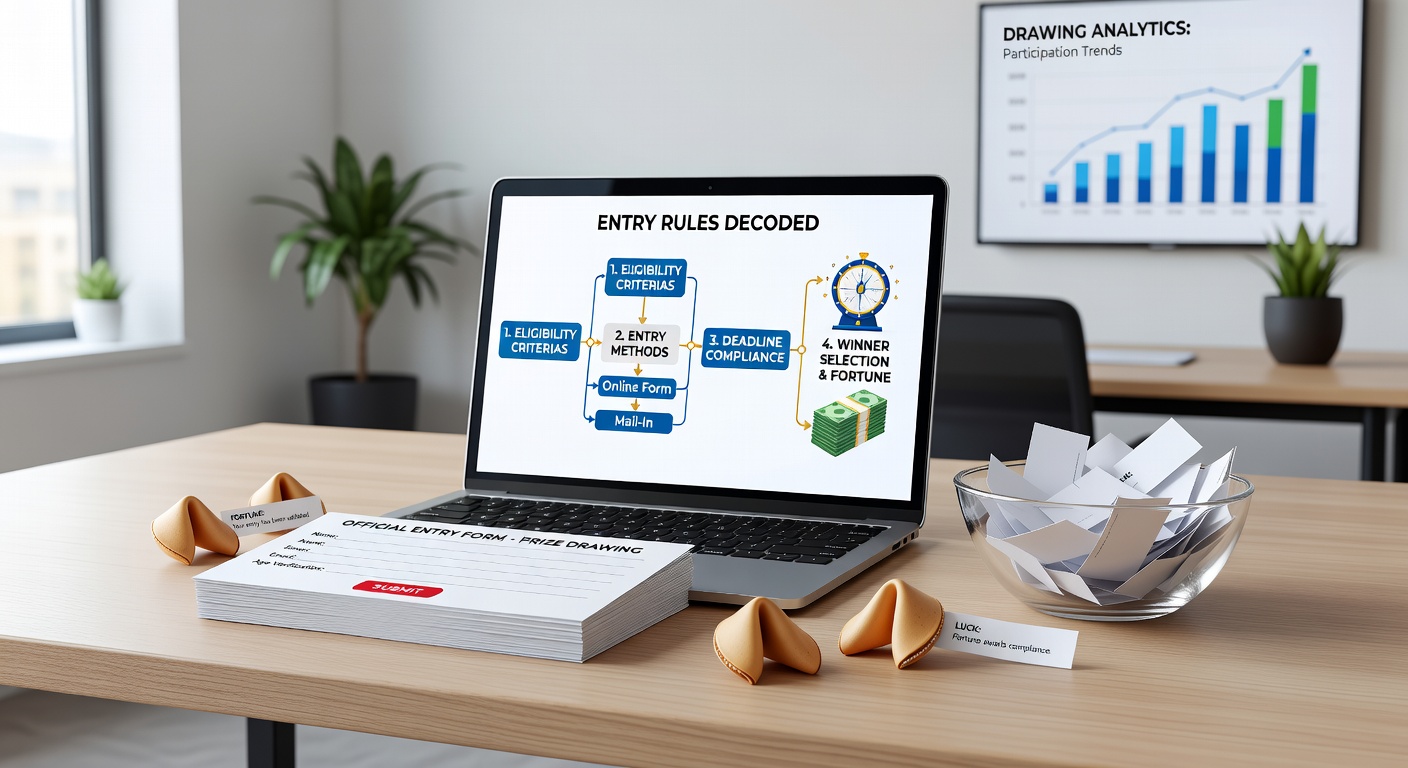
Entry methods vary wildly, with online forms dominating since they track submissions automatically; rules detail exact steps, like required fields (name, email, zip code) or optional ones for bonus entries via referrals. Mail-ins persist for no-purchase-necessary compliance, demanding specific postcard formats, postmarks by deadline, and no facsimiles, while social shares might require hashtags or tags under public posts only. Figures from a recent industry survey indicate 70% of drawings now blend methods, allowing multiple paths but capping totals per person to keep things fair.
Take one case where a Canadian entrant won a luxury vacation by mailing entries weekly, as rules permitted unlimited free mails but limited online to one daily; ignoring that nuance would've halved her odds. And social media twists add layers, since rules specify "one entry per platform per day," prompting followers to spread efforts across Instagram, Twitter, and Facebook without overlap. Yet tech glitches happen, so screenshots or confirmations serve as proof when systems fail.
Navigating Entry Limits and Multiples
Limits prevent spam, often stating "one entry per person per day" or "maximum 30 per household weekly," with violations like VPN use for multiples leading to bans; data shows enforcers use IP tracking and email patterns to spot cheaters. Unlimited entries sound golden but rarely exist without purchase requirements, which rules flag as void in no-purchase states. People who've racked up wins swear by calendars marking daily allowances, turning routine into rhythm.
Deadlines, Time Zones, and the Clock's Ticking
Deadlines loom large, listed as end dates with times in sponsor's time zone (ET for New York-based firms, PT for California), and late entries get tossed regardless of postmarks unless rules specify otherwise. April 2026 brings buzz with major drawings tied to spring festivals, like the upcoming Eurovision fan contests closing mid-month under EU consumer directives, where rules emphasize UTC timestamps for cross-border fairness. Observers note daylight saving shifts trip up 15% of entrants yearly, so tools like world clocks become essentials.
Extensions rarely happen, but rules sometimes include "rain check" clauses for sponsor errors; still, entrants confirm via official channels, avoiding rumors on forums. That's where the rubber meets the road: precise timing separates contenders from also-rans.
Winner Selection, Notification, and Claim Processes
Random selection via certified software or auditors ensures fairness, with rules disclosing draw dates (often post-deadline by weeks) and alternates for unreachable winners. Notification comes via email, phone, or mail, requiring responses within 48 hours to 30 days; unclaimed prizes roll to alternates or charities, per sponsor policy. Verification demands ID, affidavits of eligibility, and publicity releases for photo ops, while international winners face extra tax forms like W-8BEN.
One notable case involved a Texas family claiming a $100,000 prize after providing utility bills proving residency, as rules demanded; delays from missing docs cost others big. Experts observe that reading claim steps upfront prepares winners, smoothing the path from notification to fortune.
Taxes, Liabilities, and the Fine Print Fallout
Prizes trigger taxes immediately, with US rules noting IRS Form 1099 for $600+ awards, while Canadian equivalents handle via T4A slips; winners cover shipping, insurance, or upgrades unless specified. Liability waivers shield sponsors from injury claims on prizes like jet skis, and rules ban resale or transfers without permission. Studies found 25% of big winners underestimate tax hits, facing surprises come filing season.
Publicity consents vary too: some mandate name use in ads, others offer opt-outs for privacy. Those who've navigated this know publicizing wins boosts future entries, but only if rules allow.
Common Pitfalls and Real-World Lessons
Entrants trip on incomplete forms (missing phone numbers void entries), multiple aliases (IPs betray them), or ignoring "one per email" caps. Scams mimic rules but lack verifiable sponsors, preying on urgency; legitimate ones never demand upfront fees. A 2025 report highlighted a surge in AI-generated rules, prompting regulators to stress human-readable formats.
Case in point: Australian entrants in a 2024 promo lost out by entering via bots, against "manual only" clauses, while a diligent UK group (under similar trade rules) split a £50,000 pot by sticking to daily mails. Patterns emerge: success favors rule readers, not just clickers.
Now, with April 2026 on the horizon, drawings for tech expos and holiday lead-ins ramp up, featuring hybrid rules blending VR entries and traditional mails; staying ahead means decoding early.
Wrapping It Up: Rules as Your Entry Edge
Prize drawings offer real shots at upgrades, but rules dictate the winners; from eligibility checks to deadline drills, those who parse every line maximize odds, avoiding the traps that sideline others. Data consistently shows informed entrants claim disproportionate shares, turning forms into fortunes through diligence alone. As promotions multiply across borders, tools like rule checklists and trackers keep players sharp, ensuring no detail slips through. In the end, the writing's on the wall: decode to win.