Decoding Random Number Generators in Modern Prize Selection Processes
Written by Ellis Albrecht · May 23, 2026
Decoding Random Number Generators in Modern Prize Selection Processes
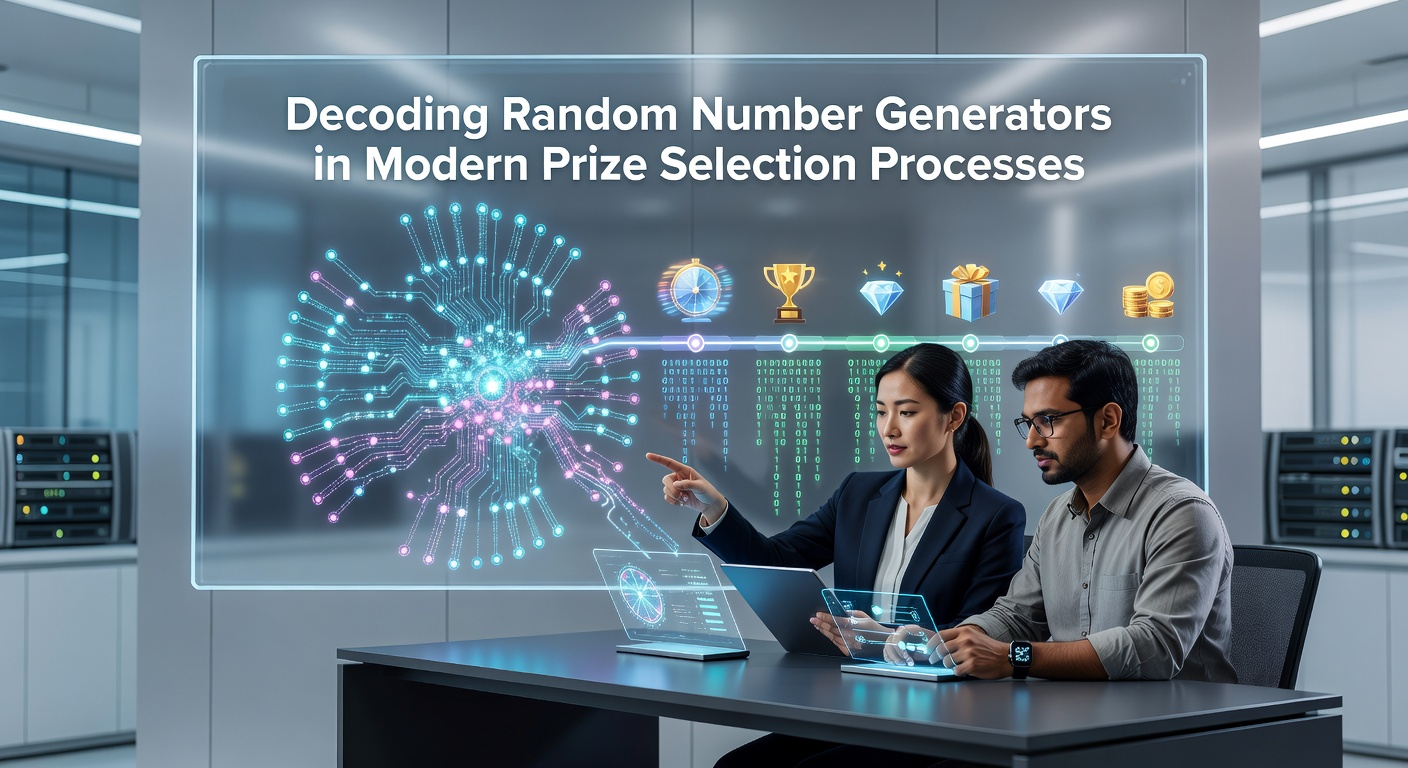
Random number generators form the backbone of fair prize selection in sweepstakes and giveaways worldwide, and observers note that these systems convert unpredictable inputs into sequences that determine winners without human bias. Modern processes rely on both hardware-based true random number generators and software-based pseudorandom algorithms, each designed to meet strict statistical standards set by organizations such as the National Institute of Standards and Technology.
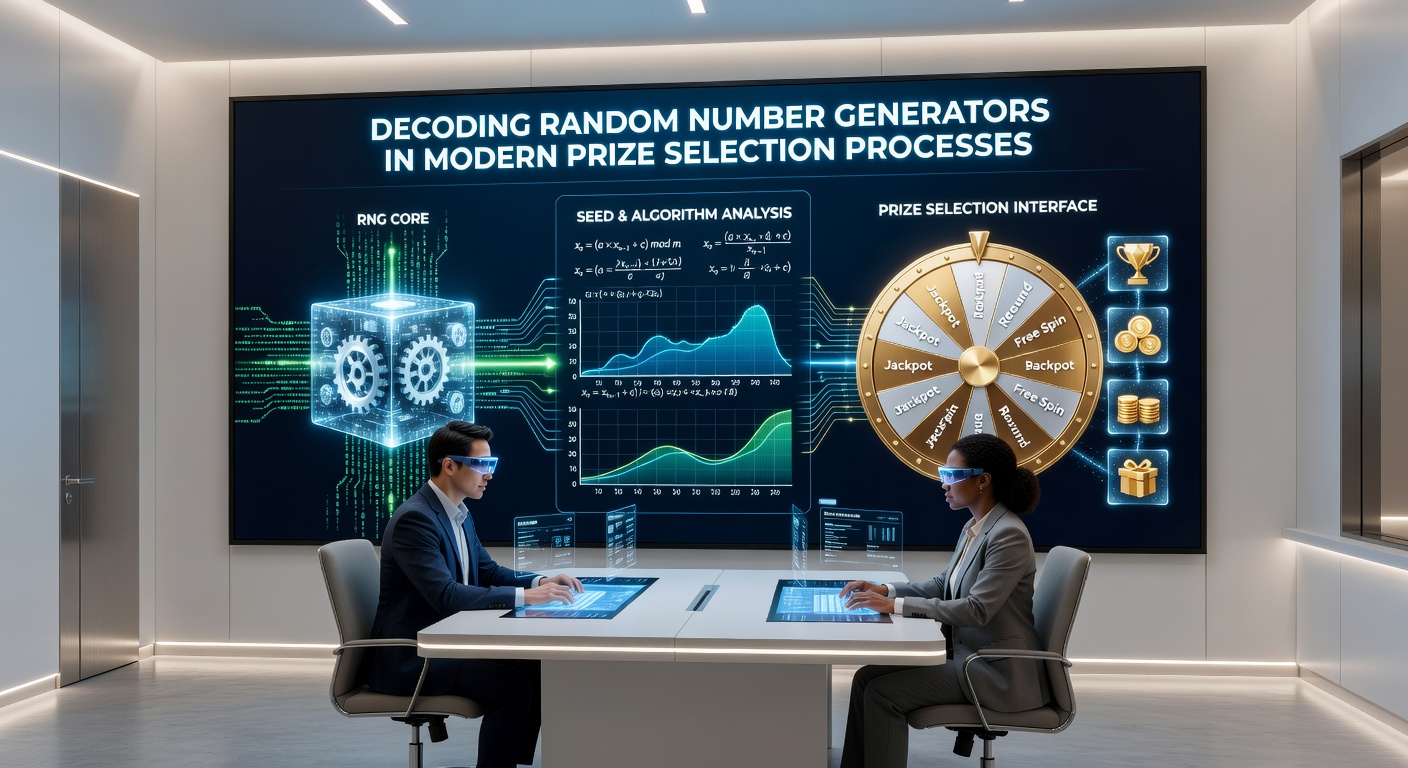
Hardware generators harvest entropy from physical sources including thermal noise in circuits and quantum fluctuations in photon streams, while pseudorandom versions use deterministic equations seeded with external data like system timestamps and user interaction logs to produce outputs that pass rigorous tests for uniformity and independence. Researchers at academic institutions have documented how these methods prevent patterns that could otherwise allow manipulation in high-stakes draws.
Core Mechanisms Behind Prize Draws
Selection algorithms typically operate in stages that begin with entry validation followed by RNG invocation to assign positions or select identifiers from a pool of qualified participants. Data from industry reports indicates that certification bodies require generators to undergo millions of test cycles measuring properties such as frequency distribution and serial correlation before approval for commercial use. In practice, operators integrate these tools into platforms that log every call to the generator along with the resulting values, creating audit trails that regulators review during compliance checks.
One study revealed that synchronization between entry deadlines and RNG activation reduces timing-based attacks, and experts have observed similar safeguards in systems handling thousands of daily contests. The process often includes post-selection verification where independent auditors replay the seed values to confirm that the published winners match the original output.
Regulatory Frameworks Across Regions
Government agencies enforce RNG standards that differ by jurisdiction, with the United States emphasizing voluntary guidelines from NIST while Canadian authorities incorporate specific entropy requirements into provincial gaming legislation. Figures reveal that European Union directives on consumer protection extend to prize promotions through national bodies that mandate third-party testing of selection software. Observers note that these frameworks continue to evolve as computational power increases and new attack vectors emerge in digital environments.
Advances Scheduled for 2026
Implementation of updated entropy assessment protocols is set to begin in May 2026 across multiple certification programs, incorporating machine learning models that detect subtle biases in generator outputs more effectively than traditional statistical suites. Those who have studied these developments point to integration with blockchain ledgers as a method for immutable recording of draw results, allowing participants to verify selections independently without relying solely on operator disclosures.
Industry associations have reported pilot programs testing quantum-resistant algorithms that will replace older pseudorandom functions once the new standards take effect. Such transitions aim to maintain security margins against future advances in cryptanalysis while preserving the speed required for real-time prize allocations.
Testing and Certification Processes
Independent laboratories subject RNG implementations to batteries of tests including the Diehard suite and NIST's own Statistical Test Suite before issuing compliance certificates. Data shows that failure rates in initial submissions often exceed 30 percent, prompting developers to refine seeding mechanisms and post-processing filters. Those who've examined certification reports note that hardware modules receive additional scrutiny for environmental sensitivity, including performance under varying temperatures and power conditions that could affect entropy collection.
Case examples from large-scale promotions demonstrate how continuous monitoring detects drift in generator behavior over time, triggering automatic reseeding or hardware replacement. Research indicates that combining multiple independent generators through XOR operations or hashing further strengthens resistance to prediction attempts.
Conclusion
Random number generators continue to underpin trust in prize selection systems through a combination of technical standards, regulatory oversight, and ongoing innovation. As updates roll out in May 2026, participants and operators alike benefit from enhanced verification capabilities that reinforce the integrity of chance-based rewards. Organizations such as NIST provide foundational guidance that shapes these practices globally, while academic studies and regional regulators supply additional layers of scrutiny to maintain fairness across diverse promotion formats.