Cultural Influences on Participation Strategies in Worldwide Promotional Draws
Written by Kai Krause · Jun 29, 2026
Cultural Influences on Participation Strategies in Worldwide Promotional Draws
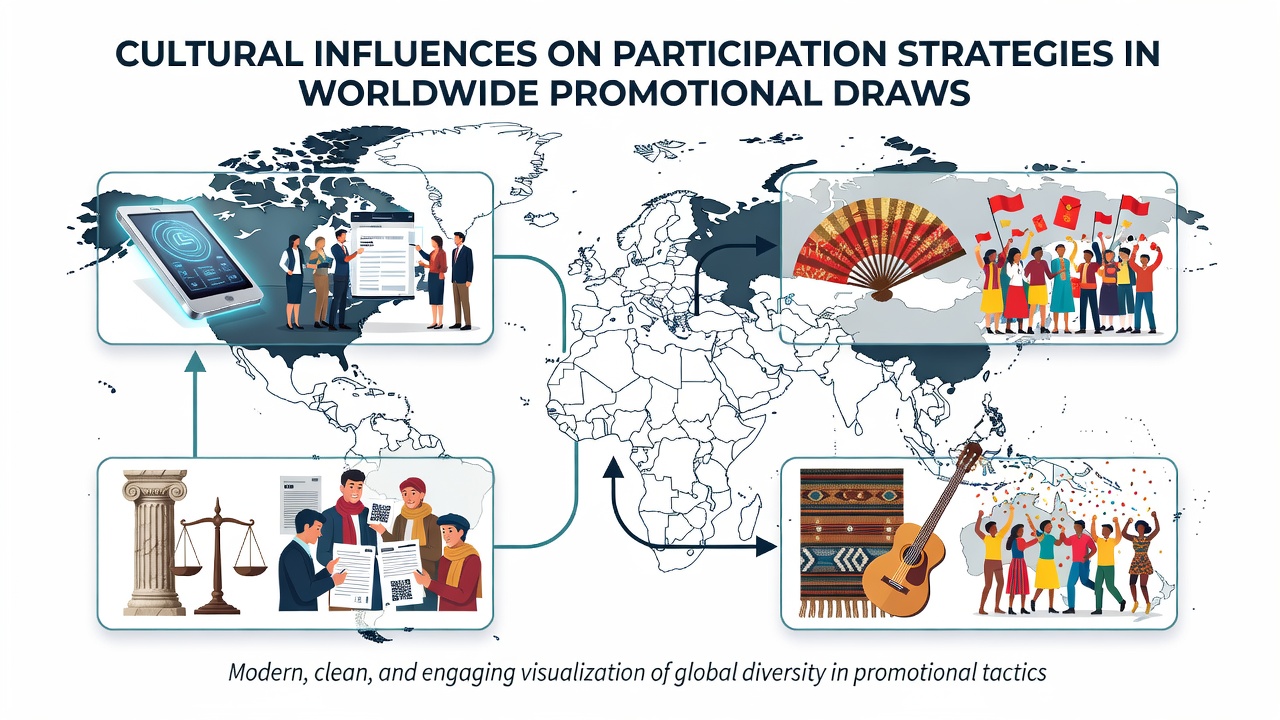
Promotional draws operate across borders yet draw participants whose entry methods reflect deep-rooted cultural frameworks rather than uniform global habits, and researchers tracking these patterns note consistent regional differences in frequency, social coordination, and timing preferences. Data collected through 2025 into June 2026 shows that individuals in collectivist societies often coordinate entries through family or community networks, whereas participants in more individualist settings tend to manage submissions independently and focus on personal record-keeping systems.
Group Coordination Versus Solo Entry Approaches
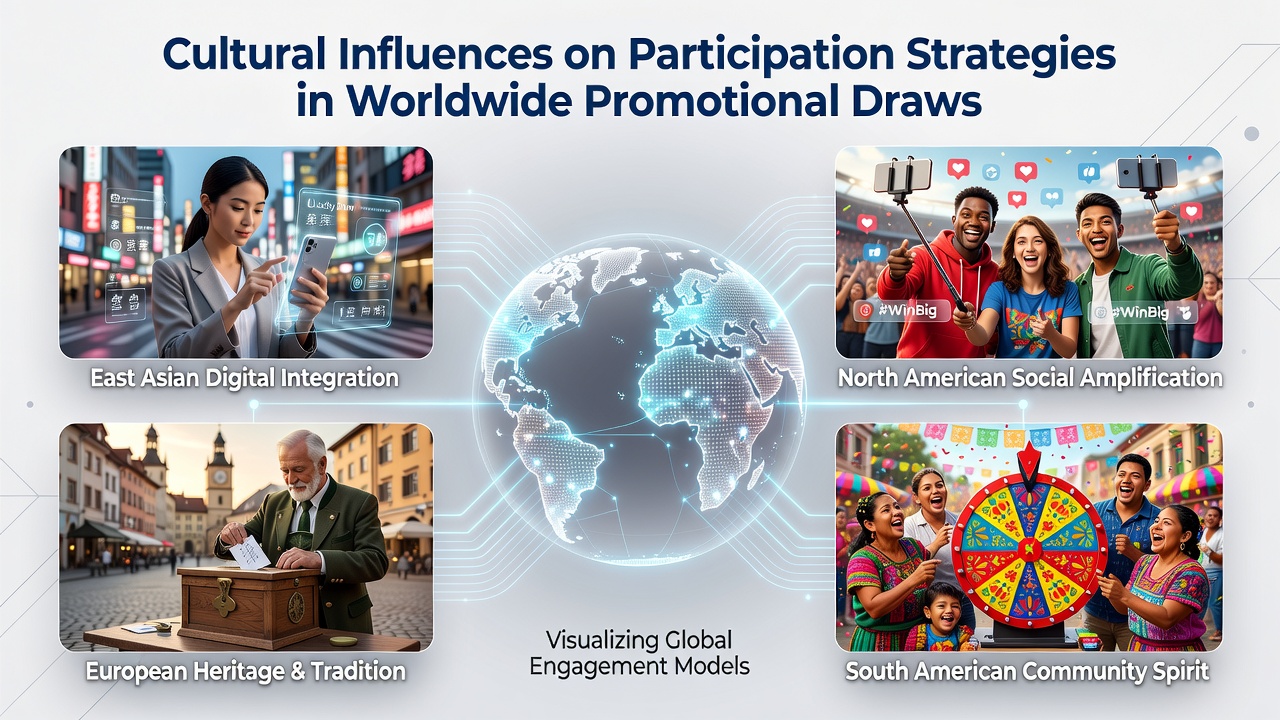
Observers note that collectivist cultures in East Asia and parts of Latin America frequently incorporate shared entry strategies where multiple household members contribute details or rotate submission tasks across devices, and this pattern aligns with broader social norms that emphasize collective benefit over solitary gain. In contrast, participants from North American and Northern European backgrounds more commonly handle entries alone, relying on personal calendars and reminder applications to track multiple promotions without external input. Studies from the Competition Bureau of Canada indicate that these solo methods correlate with higher use of spreadsheet tracking among frequent entrants in those regions, while group-based approaches appear more prevalent where extended family structures remain central to daily decision-making.
Beliefs About Luck and Ritual Integration
Cultural attitudes toward fortune shape when and how people submit entries, with many participants in South and Southeast Asia incorporating specific days, times, or symbolic actions tied to lunar calendars or numerology before completing forms. European entrants, according to reports from the European Consumer Organisation, show lower rates of such ritual timing and instead prioritize rule compliance and deadline accuracy. Australian data from the Australian Competition and Consumer Commission reveals similar restraint among local participants, where superstition-linked behaviors appear less frequently than in other markets. These variations influence overall submission volume, since ritual-aware entrants often cluster activity around culturally significant dates while others spread efforts evenly throughout the month.
Trust, Language, and Platform Preferences
Language accessibility and perceived institutional trust further differentiate participation styles across regions, and entrants from multilingual societies often favor platforms offering native-language support even when English versions exist. In regions with historical skepticism toward commercial promotions, participants verify legitimacy through local regulatory references or community forums before investing time in lengthy forms. Research compiled by the Japan External Trade Organization highlights that Japanese entrants demonstrate particularly high scrutiny of privacy policies and data-handling statements, leading to slower but more deliberate entry rates compared with faster-paced submission patterns observed in parts of Latin America. Platform choice also varies, with mobile applications dominating in high-smartphone-penetration markets while desktop submissions remain common where internet infrastructure favors larger screens.
Regulatory Context and Cross-Cultural Adaptation
Local regulations interact with cultural expectations to shape allowable strategies, and promoters adjust eligibility wording, prize structures, and notification methods accordingly. In markets where communal decision-making prevails, rules permitting household entries gain traction more readily than in jurisdictions emphasizing individual responsibility. June 2026 updates to several regional consumer protection frameworks have prompted organizers to refine translation accuracy and disclosure clarity, which in turn affects how quickly participants from different linguistic backgrounds complete submissions. Those monitoring these shifts report that clearer multilingual instructions correlate with increased entry diversity rather than volume alone.
Technology Access and Social Amplification Patterns
Device availability and social media norms add another layer of influence, since participants in high-connectivity urban centers leverage referral features more aggressively than those in areas with intermittent access. Social amplification occurs most readily where sharing promotions carries positive communal status, leading to higher referral-chain activity in certain Southeast Asian and African markets. In settings where privacy concerns dominate cultural discourse, entrants avoid public sharing and instead exchange information through private messaging groups. These technology-mediated differences produce measurable variations in reach and completion rates across global campaigns.
Conclusion
Cultural factors continue to mold participation strategies in worldwide promotional draws through group dynamics, belief systems, trust thresholds, and technological habits. Organizations running cross-border promotions benefit from recognizing these patterns when designing entry processes and communication approaches, since alignment with regional norms supports broader and more consistent engagement across diverse populations. Ongoing observation through mid-2026 suggests these influences remain stable even as digital interfaces evolve.