Cultural Calendars Shaping Peak Activity Windows in Worldwide Chance Promotions
Written by Klara Zimmermann · Jul 25, 2026
Cultural Calendars Shaping Peak Activity Windows in Worldwide Chance Promotions
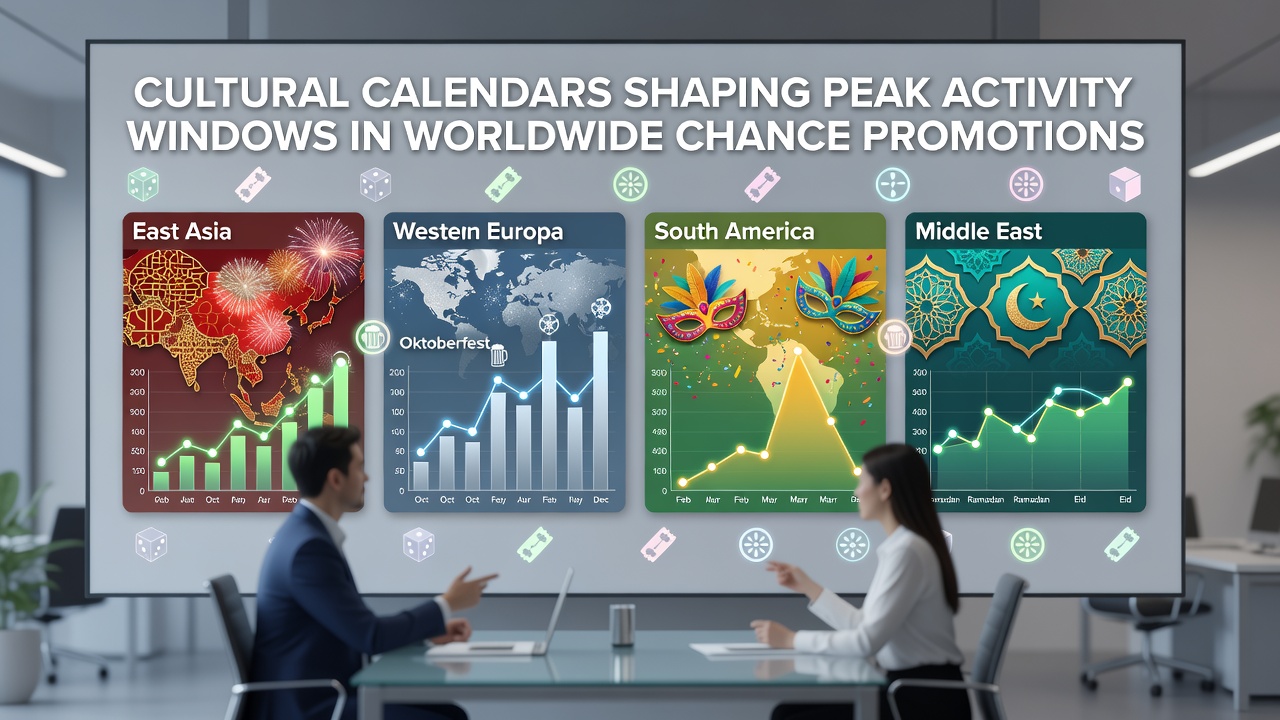
Cultural calendars drive distinct patterns in participation for chance promotions across regions, and data from multiple markets shows how festivals and holidays align with surges in entry volumes. Observers note that these calendars create predictable windows where user activity intensifies because communities gather around shared traditions and increased leisure time.
Regional Festival Cycles and Entry Patterns
East Asian markets demonstrate clear spikes during Lunar New Year periods when families reunite and digital engagement rises, while Southeast Asian countries see similar upticks around Songkran and other harvest celebrations. Studies from academic institutions in the region indicate that these events compress high volumes of submissions into short timeframes because participants combine social sharing with contest entries during extended gatherings.
In South Asia the Diwali season produces measurable increases in activity for global promotions, and analysts tracking entry timestamps report elevated submissions from India and neighboring countries during the weeks surrounding the festival. These patterns hold steady year over year because cultural emphasis on prosperity and gift exchange aligns with promotional mechanics that reward repeated participation.
Western Holiday Influences on Global Reach
European and North American calendars shape activity through Christmas and New Year periods, when many users have time off and access multiple devices simultaneously. Figures from industry reports reveal that submissions often double or triple in the final two weeks of December compared with average months, and this holds for both regional and international campaigns. Summer festivals such as those in July further extend these windows in certain markets, creating secondary peaks that operators plan for in advance.
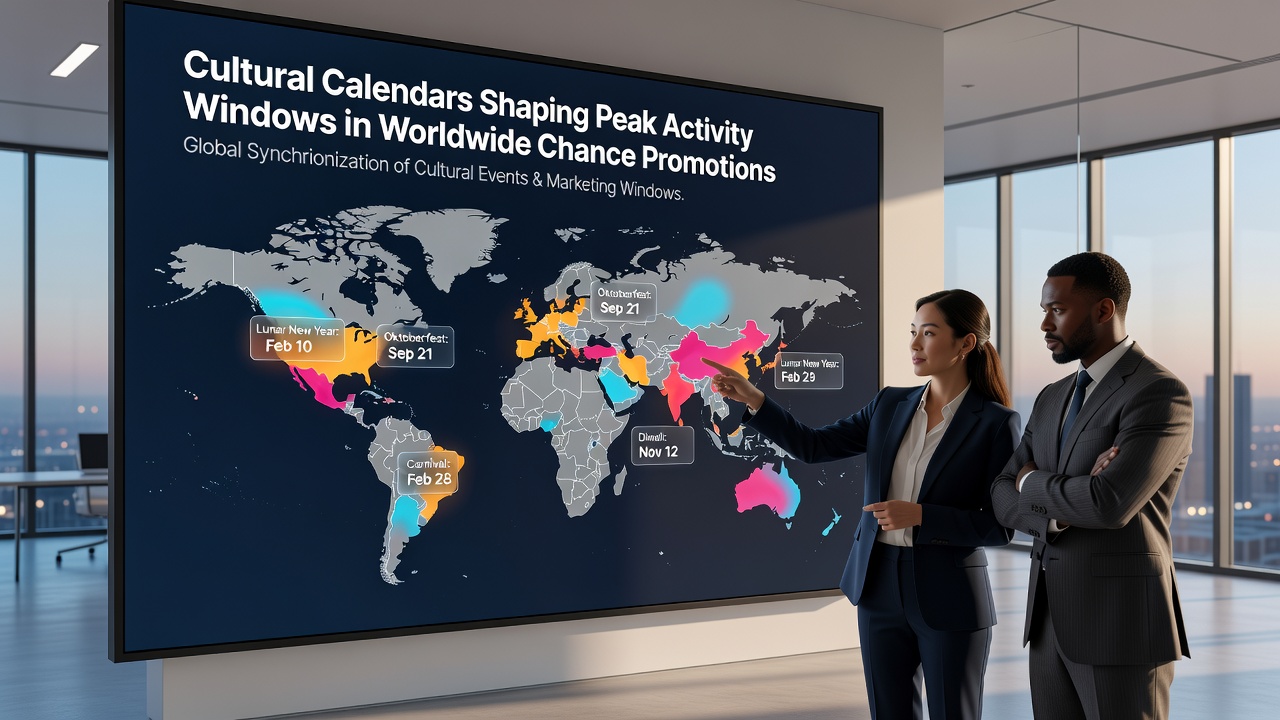
North American Thanksgiving creates an earlier surge in the United States and Canada, and data shows that users often combine family travel with mobile entries during the long weekend. Meanwhile, Australia and New Zealand experience parallel effects around Christmas and summer holidays, though their timing sits opposite the Northern Hemisphere cycle.
Middle Eastern and African Calendar Effects
Ramadan produces concentrated activity windows in many Middle Eastern and North African countries, with researchers documenting higher submission rates in the evening hours after daily fasts conclude. These patterns shift slightly each year because the lunar calendar moves the observance across seasons, yet the relative intensity remains consistent. Eid celebrations that follow Ramadan extend the elevated period, and operators adjust campaign timing accordingly to capture these flows.
Sub-Saharan African markets show distinct peaks around local harvest festivals and independence days, and cross-border promotions often register increased traffic from these regions during those specific weeks. Government statistics from countries such as Nigeria and Kenya indicate that mobile penetration during cultural events supports the observed growth in digital entries.
July 2026 Patterns and Forward Planning
July 2026 falls during a cluster of summer festivals across Europe, North America, and parts of Asia, and historical data suggests these overlapping periods will again generate elevated entry activity for worldwide campaigns. Operators preparing schedules note that the convergence creates opportunities for synchronized launches while requiring careful management of server loads during peak hours.
Data Sources and Measurement Approaches
According to the Federal Trade Commission guidelines on promotional compliance, timing disclosures must account for regional variations in participation, which indirectly highlights how cultural calendars influence submission behavior. A separate study published by Australian academic researchers through the Australian Competition and Consumer Commission archives examined entry timing across multiple campaigns and confirmed that holiday periods reliably produce measurable deviations from baseline activity.
Conclusion
Cultural calendars continue to determine the timing of peak activity in worldwide chance promotions because they align leisure, social connection, and device usage in predictable ways. Data collected across continents shows these patterns repeat annually with only minor shifts, allowing operators to anticipate windows and allocate resources accordingly. As markets evolve, the underlying relationship between festival timing and entry behavior remains a central factor in campaign planning.