Behavioral Trends Among Frequent Participants in Digital Prize Events
Written by Morgan Jung · May 16, 2026
Behavioral Trends Among Frequent Participants in Digital Prize Events
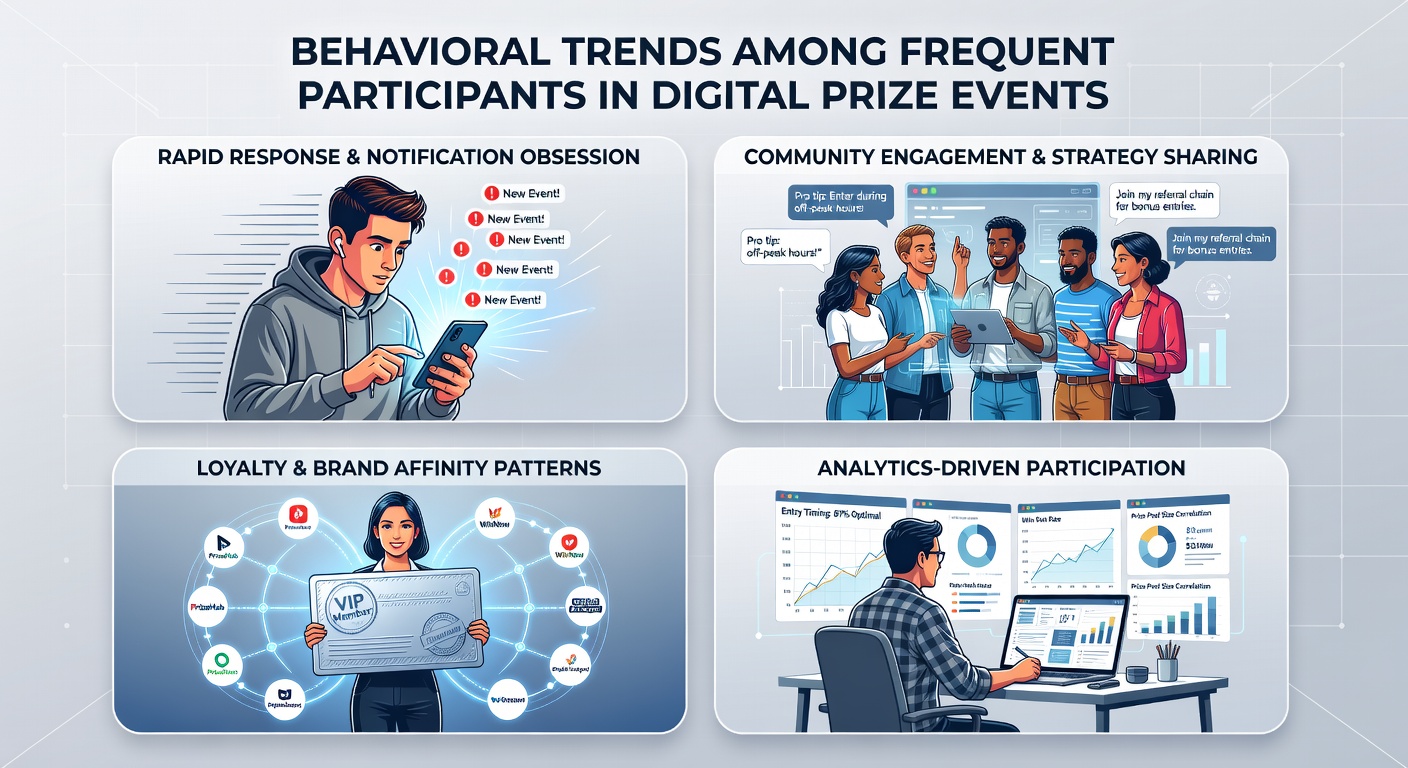
Digital prize events continue to draw consistent attention from dedicated users who treat these opportunities as structured routines rather than occasional hobbies. Data indicates that frequent participants often maintain multiple accounts across platforms, track entry deadlines through calendars or apps, and adjust their activity based on historical payout patterns reported by organizers.
Studies from research institutions show that these individuals allocate specific time blocks each week to complete required actions such as form submissions or social media shares. Patterns emerge where activity spikes during seasonal promotions, yet steady engagement persists year-round among core groups who have participated for several years. Observers note that many of these users cross-reference winner announcements with entry logs to refine future approaches without relying on chance alone.
Time Allocation and Platform Loyalty
Frequent participants demonstrate clear preferences for platforms that refresh prize pools on predictable schedules. Research indicates they often prioritize sites offering daily or weekly draws because those formats allow repeated attempts within short cycles. Data from consumer protection agencies reveals that users in this category spend an average of 45 minutes per session reviewing rules and verifying eligibility before submitting entries.
Those who sustain long-term involvement tend to cluster around a handful of trusted organizers rather than scattering efforts across every available promotion. This concentration stems from accumulated familiarity with interface quirks and payout reliability, which reduces time spent on verification steps. Patterns documented in industry reports highlight how loyalty builds when platforms provide transparent archives of past winners and clear terms that avoid hidden restrictions.
Social Sharing and Network Effects
Participants frequently incorporate referral mechanisms into their routines even when direct incentives remain modest. Evidence from academic studies suggests that sharing links within established online communities produces higher conversion rates than random distribution across unrelated networks. Users who maintain private groups or forums exchange tips on maximizing entries per promotion, creating informal knowledge pools that accelerate learning curves for newer members.
What's notable is the shift toward selective sharing; individuals limit public posts to avoid saturating personal feeds while still fulfilling minimum requirements. Data collected through platform analytics shows referral chains originating from repeat users account for a measurable portion of new sign-ups each quarter.
Privacy and Verification Behaviors
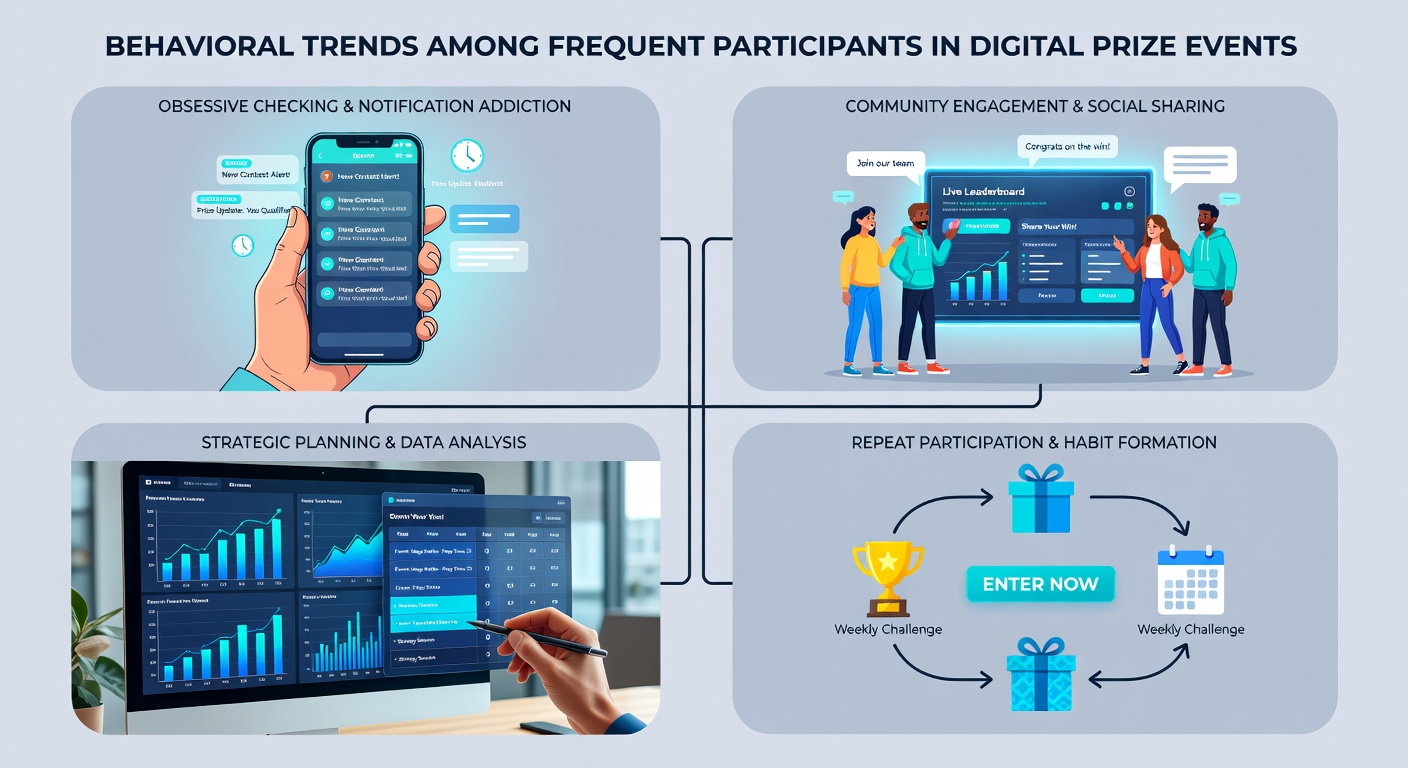
As of May 2026, reports from the Federal Trade Commission highlight increased scrutiny among frequent users regarding data handling practices. These participants routinely review privacy policies before providing contact details, and many employ temporary email addresses or secondary phone numbers to manage communications from multiple organizers.
Verification habits include cross-checking organizer credentials through third-party review sites and confirming that prize claims follow documented procedures. Research from consumer advocacy groups in Australia indicates that such caution correlates with higher success rates in redeeming awards, since users avoid promotions that trigger excessive spam or unclear fulfillment processes.
Demographic Patterns and Geographic Reach
Demographic data reveals broad participation across age groups, yet consistent activity clusters among adults between 25 and 45 who maintain stable internet access. Figures from international surveys show that users in urban areas engage at slightly higher volumes, likely due to reliable connectivity and exposure to promotional advertising. Geographic restrictions continue to shape entry volumes, with participants often filtering promotions by region to focus efforts on accessible events.
Cross-border activity appears when rules permit international entries, though compliance checks add extra steps that dedicated users incorporate into their workflows. Those who've tracked trends over multiple years note that mobile device usage now dominates entry submissions, replacing desktop sessions in most daily routines.
Adaptation to Platform Changes
Platform updates frequently prompt behavioral adjustments among long-term participants. When entry caps or new verification layers appear, users quickly redistribute efforts across remaining viable options. Industry analyses reveal that those who monitor terms of service updates maintain steadier participation rates compared with less attentive entrants.
Adaptation also involves experimenting with emerging formats such as app-based draws or live-streamed selections. Data collected through participation logs indicates that early adopters of these formats gain slight edges in visibility and response speed during high-traffic periods.
Conclusion
Behavioral trends among frequent participants reflect systematic approaches built on accumulated experience and selective platform use. These patterns underscore how routine engagement with digital prize events evolves alongside technological and regulatory shifts. Continued observation of these habits provides clearer insight into participation dynamics without relying on assumptions about individual motivations.